
Plastic pollution has become a pressing issue in our oceans with detrimental effects on marine ecosystems. Foraging seabirds, which heavily rely on the availability of food resources, are particularly affected by this environmental crisis. GreeningAfrika explores the profound impact of plastic pollution on foraging seabirds and emphasises the urgent need for effective solutions.
A Growing Concern
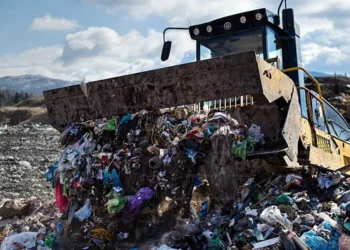
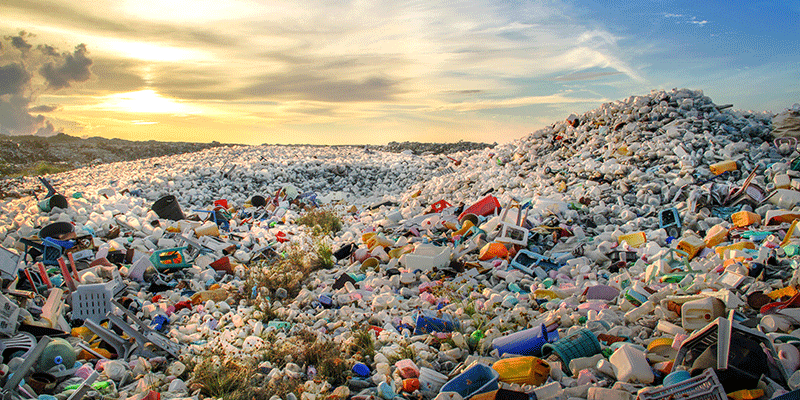
Plastic pollution, with its ever-increasing volumes of discarded plastic waste, poses a severe threat to marine life. Seabirds often mistake plastic debris for prey, such as fish or squid, leading to dire consequences for their survival. The pervasive nature of plastic pollution has resulted in an alarming rise in incidents of ingestion and entanglement among seabird populations.
Over 400 million tonnes of plastic are produced every year for use in a wide variety of applications. At least 14 million tonnes of this plastic end up in the ocean every year and makes up 80% of all marine debris found from surface waters to deep-sea sediments.
Disruption of Natural Feeding Patterns
Plastic pollution disrupts the natural feeding patterns of seabirds, altering their ability to locate and consume nutritional food sources. Floating plastic debris on the ocean’s surface diverts the attention of foraging seabirds luring them away from their usual prey. As a result, the birds may expend more energy searching for food, leading to reduced reproductive success.
Plastic debris in the ocean serves as a deceptive source of sustenance for foraging seabirds. Mistaking small plastic fragments for food, birds unknowingly ingest harmful materials. Plastics, being non-biodegradable, accumulate in their digestive systems over time, resulting in malnutrition, internal injuries and even death. This reduction in foraging efficiency negatively impacts seabird populations, disrupting the balance of marine ecosystems. Over 300 seabird species are expected to have ingested plastic debris by 2050
Consequences for Seabird Populations
Decline in Population Numbers
The adverse effects of plastic pollution on foraging seabirds have dire consequences for their population dynamics. Increased mortality rates caused by plastic ingestion contribute significantly to the decline of seabird populations worldwide. Species that are already vulnerable or endangered face an even greater risk of extinction, further impairing the ecological stability of marine habitats. Among seabirds, albatrosses and petrels can contain particularly high loads of plastic ingested directly or within their prey.
Impaired Reproductive Success
Plastic pollution not only affects adult seabirds but also impacts their reproductive success. Ingestion of plastic debris by breeding seabirds can lead to reduced fertility, abnormal chick development and lower hatching success rates. The accumulation of plastic pollutants within these vital breeding grounds has far-reaching implications for the overall health and sustainability of seabird populations.
A Call to Action
To combat the devastating effects of plastic pollution on foraging seabirds, international co-operation and the implementation of strict legislation are crucial. Collaborative efforts involving governments, environmental organisations and industries are needed to reduce plastic production, encourage recycling and advocate for responsible waste management.
Raising public awareness about the impact of plastic pollution on foraging seabirds is essential for fostering behavioural change. Education initiatives, media campaign, and community engagement can all play a significant role in promoting sustainable practices and reducing plastic consumption.
The development and application of innovative technological solutions can aid in mitigating the impact of plastic pollution on seabirds. Research into biodegradable alternatives, improved waste disposal systems and advanced recycling techniques are all avenues that can help reduce the abundance of plastic waste in our oceans.
This critical issue demands immediate attention. The disruption of feeding patterns, increased risk of ingestion, decline in population numbers and impaired reproductive success all highlight the urgency of finding effective solutions. Through international co-operation, public awareness and technological advancements, we can strive towards a future in which seabirds, and the marine ecosystems they inhabit, are free from the devastating consequences of plastic pollution.