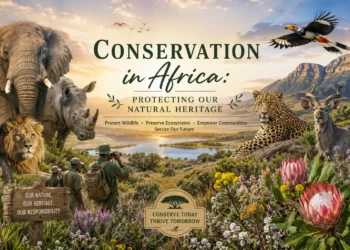

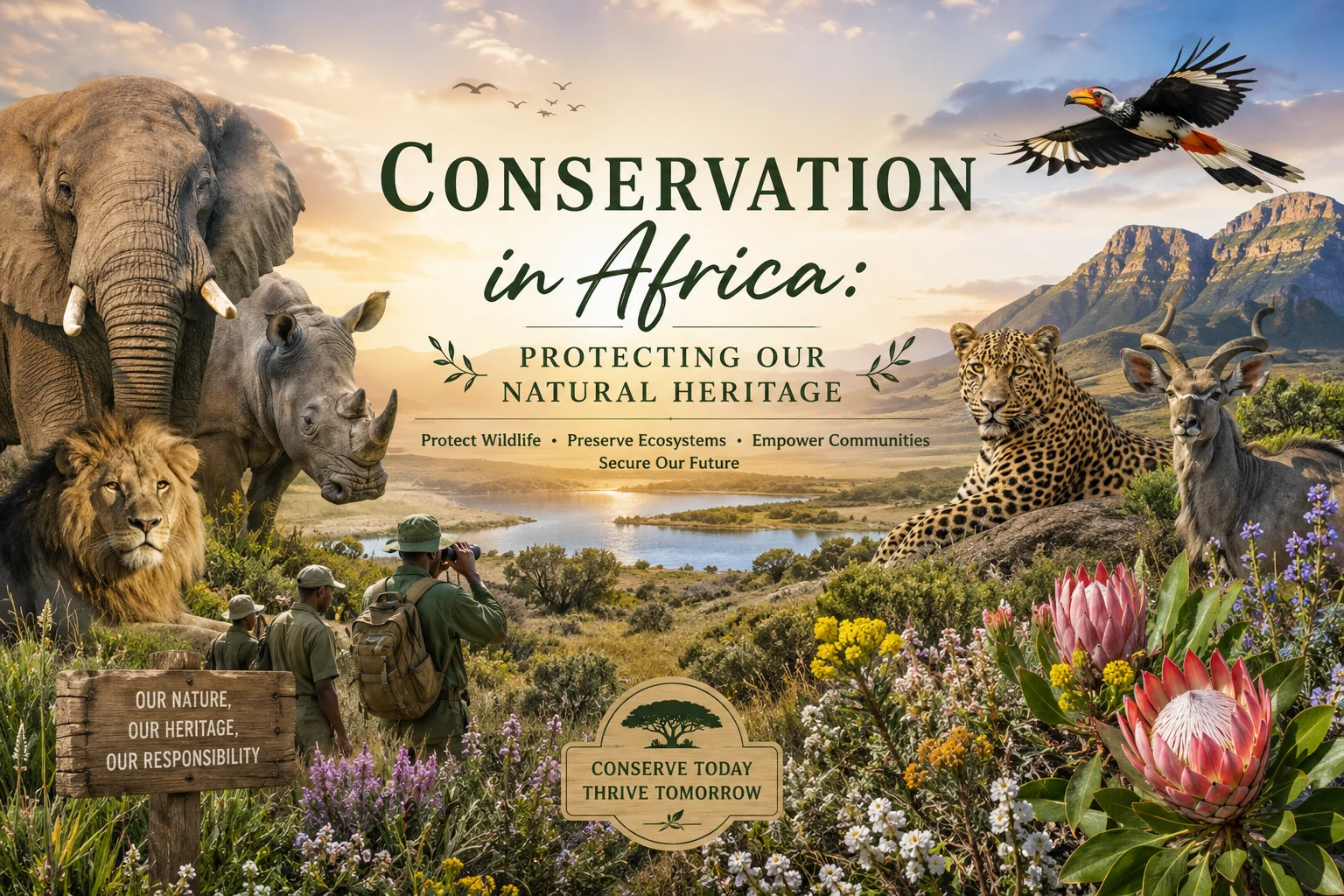
Africa is home to some of the most extraordinary ecosystems on Earth. From vast savannahs and ancient forests to wetlands, deserts and coastal environments, the continent supports an incredible diversity of wildlife and plant species. Conservation in Africa is not only about protecting animals; it is about safeguarding ecosystems, supporting communities, preserving natural resources and ensuring a sustainable future for generations to come.
The African continent faces growing environmental pressures, including climate change, habitat loss, pollution, illegal wildlife trafficking and increasing pressure on natural resources. These challenges make conservation one of the most important priorities of our time. Across Africa, governments, conservation organisations, local communities and young environmental leaders are working together to protect nature and create innovative solutions for a changing world.
The Importance of Conservation in Africa
Africa’s wildlife is recognised globally as one of the planet’s greatest natural treasures. Species such as elephants, lions, rhinos, giraffes, cheetahs and countless bird species are central to Africa’s ecological identity. However, wildlife populations depend on healthy habitats, clean water sources and balanced ecosystems.
Conservation plays a vital role in maintaining biodiversity. Every species contributes to the functioning of nature. Predators help regulate animal populations, pollinators support plant growth while forests and grasslands absorb carbon while providing essential resources for people and wildlife.
Protecting nature also has economic benefits. Sustainable tourism, particularly wildlife tourism, supports millions of jobs across Africa. Well-managed conservation areas attract visitors from around the world, creating income for local communities and funding further environmental protection.
SA’s Conservation Legacy
South Africa (SA) has become one of Africa’s leading examples of conservation efforts. The country is recognised for its diverse landscapes, ranging from the dry regions of the Karoo to the forests of the Garden Route, the wetlands of KwaZulu-Natal and the coastal ecosystems along the Indian and Atlantic Oceans.
One of SA’s greatest conservation achievements is its network of protected areas. National parks and nature reserves preserve important habitats and provide safe spaces for wildlife. The world-renowned Kruger National Park is a symbol of successful conservation, supporting a wide range of species and attracting visitors from across the globe.
SA has also played a major role in protecting threatened species, particularly rhinos. Conservation initiatives focus on combating poaching, improving wildlife monitoring and involving communities in protecting natural heritage. While challenges remain, these efforts demonstrate the importance of collaboration between government agencies, conservation groups, researchers and local people.
Protecting SA’s Unique Biodiversity
SA is considered one of the world’s most biologically diverse countries. The country is home to several unique ecosystems, including the Cape Floristic Region; home to thousands of plant species found nowhere else on Earth.
The protection of indigenous plants is just as important as protecting large animals. SA’s fynbos ecosystems support a remarkable variety of species and provide valuable environmental services, including water regulation and soil protection.
Marine conservation is another growing priority. SA’s coastline supports important marine life, including whales, dolphins, seabirds and marine plants. Protecting oceans from pollution, overfishing and climate-related changes is essential for both biodiversity and coastal communities.
Communities at the Heart of Conservation
Modern conservation increasingly recognises that people are central to environmental protection. Many rural communities live alongside wildlife and depend on natural resources for their livelihoods. Successful conservation projects involve these communities by creating employment opportunities, supporting education and promoting sustainable resource use.
Community-based conservation helps ensure that local people benefit from protecting nature. When communities see the value of healthy ecosystems, they become powerful partners in preserving wildlife and landscapes.
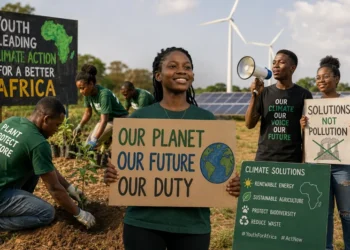
Young Africans are becoming important voices in conservation. Across the continent, young innovators are developing climate solutions, restoring degraded environments and raising awareness about the importance of protecting nature. Their involvement is essential because the future of Africa’s environment belongs to the next generation.
The Future of Conservation in Africa
The future of conservation will require new approaches and stronger partnerships. Climate change is already affecting rainfall patterns, wildlife habitats and agricultural systems. Conservation efforts must therefore focus not only on protecting existing environments but also on restoring damaged ecosystems.
Technology is becoming an important tool in conservation. Satellite monitoring, wildlife tracking systems and scientific research help conservationists understand ecosystems and respond more effectively to threats.
SA and the wider African continent have shown that conservation can succeed when science, communities and commitment work together. Protecting nature is not simply about saving wildlife; it is about protecting clean water, healthy landscapes, cultural heritage and the quality of life for future generations.
Africa’s natural heritage is a priceless resource. By investing in conservation today, the continent can ensure that its forests, oceans, wildlife and ecosystems continue to thrive for centuries to come.
Successful Conservation Initiatives Making a Difference
Across Africa, conservation success has often come from partnerships between governments, scientists, conservation organisations and local communities. These initiatives show that protecting nature can create lasting environmental, social and economic benefits.
The Greater Kruger Conservation Model – SA
One of SA’s most successful conservation approaches is the development of partnerships around the Greater Kruger landscape. This model connects private reserves, community areas and national conservation spaces to create a larger protected ecosystem.
By removing fences between some reserves, wildlife can move more freely across larger landscapes, improving genetic diversity and creating healthier animal populations. These partnerships also support anti-poaching efforts, scientific research and community development projects.
The Greater Kruger model demonstrates that conservation does not only happen inside national parks; it requires cooperation across entire landscapes.
Rhino Conservation and Anti-Poaching Efforts
SA has been at the centre of global efforts to protect rhinos, particularly the southern white rhino. Once pushed close to extinction, white rhino populations recovered significantly due to dedicated conservation programmes, habitat protection and careful wildlife management.
Today, conservation teams continue working to protect rhinos from illegal wildlife trafficking through improved monitoring, ranger training, technology and international cooperation. These efforts highlight the importance of protecting both animals and the people who defend them.
The Cape Floral Kingdom – Protecting Unique Plant Life
The Cape region is home to one of the world’s most remarkable plant ecosystems. The Cape Floral Kingdom contains thousands of plant species, many of which occur nowhere else on Earth.
Conservation initiatives in this region focus on protecting fynbos habitats from threats such as urban expansion, invasive alien plants and climate change. Programmes that remove invasive species also help restore natural water systems and improve biodiversity.
The success of fynbos conservation shows that protecting smaller plants and ecosystems is just as important as protecting iconic animals.
Community Conservation in Africa
Across Africa, community-based conservation has become a powerful approach. Many successful projects involve local communities in protecting wildlife while creating sustainable income opportunities.
In countries such as Kenya, Namibia and Botswana, community conservancies have helped protect wildlife corridors while providing employment through tourism, conservation work and sustainable land management.
Namibia is often recognised as a leader in community conservation, where local communities manage wildlife areas and benefit financially from conservation-related activities. This approach encourages communities to view wildlife as an asset worth protecting.
Restoring Wetlands and Water Systems
Wetland conservation is another important success area. Wetlands act as natural water filters, reduce flooding risks and provide habitats for thousands of species.
In SA, wetland restoration projects are helping repair damaged ecosystems by removing invasive plants, improving water quality and restoring natural habitats. These projects also create opportunities for local employment through environmental programmes.
The Role of Youth and Innovation
A new generation of African conservation leaders is bringing fresh ideas to environmental protection. Young scientists, entrepreneurs and community activists are using technology, education and innovation to address climate change and biodiversity loss.
From renewable energy solutions to wildlife monitoring tools and environmental education programmes, youth-led initiatives are proving that conservation is not only about protecting the past — it is about building a sustainable future.
These conservation successes provide hope for Africa’s environment. They show that with commitment, collaboration and innovative thinking, it is possible to protect biodiversity while supporting people and economies.