Alex Rose-Innes
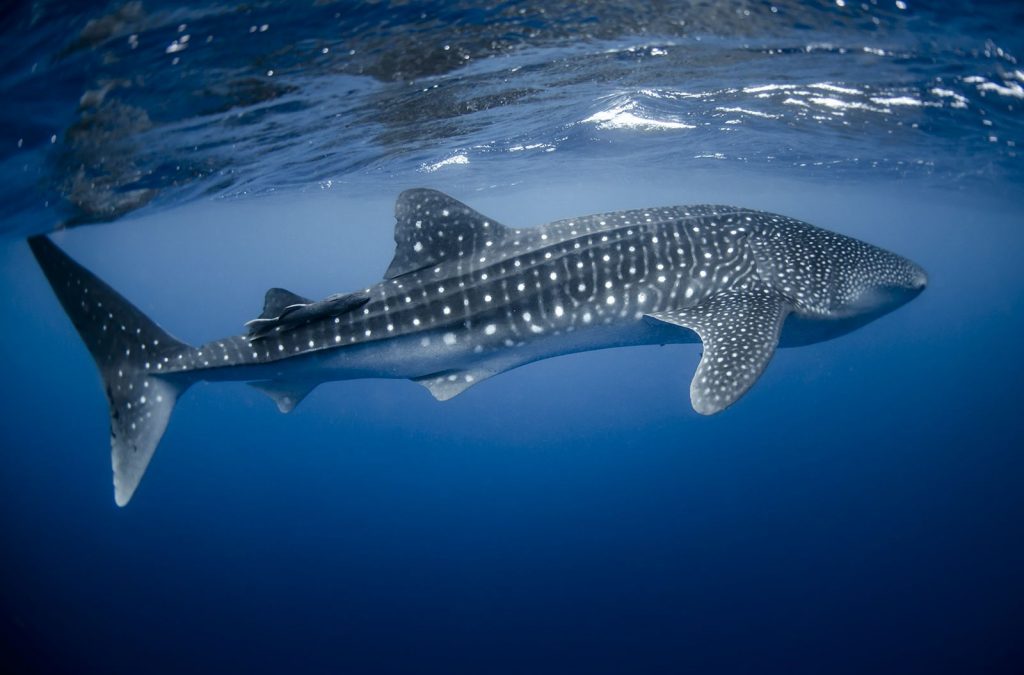
Mozambique, a critical region for conservation in the Western Indian Ocean, had just passed legislation to protect manta and mobula rays and whale sharks.
According to the Marine Megafauna Foundation (MMF), the global population of these marine animals had halved since the 1980’s. Increasing human pressure and accidental catches in gillnets had now necessitated the safeguarding of these species. MMF Principal Scientist, Dr Andrea Marshall, said history had justified the inclusion of these into this new law.
Data captured by the MMF over the past decades showed dramatic declines in the populations of mega fauna, as much as 79% among whale sharks sightings and 88% in that of reef manta. This had increased to a shocking decline of 90% for giant mantas, reef mantas and short fin devil rays in the waters south of Mozambique. It is expected that the new laws would benefit these large marine animals in the broader Indian Ocean.
For many years, the MMF had warned that these large fish species were in deep trouble and the new Mozambican laws which had already come into effect, had become crucial in maintaining healthy oceans.
Manta rays and whale sharks are listed as vulnerable or endangered on the IUCN (International Union for the Conservation of Nature) Red List with declining populations worldwide. “Local conservation measures, like this law, are vital for the overall persistence of these species,” Dr Marshall said.
USE AS A BLURP
THE NEXT 10 YEARS may be more important than the last 10,000 in determining the fate of our oceans.” -Sylvia Earle, Marine Biologist and Explorer
“Every organism plays an important role in an ecosystem”, Marshall said, “but ocean giants often play vital roles in maintaining balance and regulating resources in their environments. This in turn, naturally keeps fish populations healthy and improves the viability of fishing industries into the future”.
Among the new regulations introduced is a ban on de-finning sharks, the abominable practice of catching sharks, cutting off their fins for the Chinese market and throwing the dying animals back into the sea. Fishermen are now obliged to land the full body of any sharks caught, with fins attached and throw the by-catch, still alive, back into the sea. Fishing practices damaging coral reefs, mangroves or sea-grass meadows are also banned under the new legislation and there is a further ban on the harvesting of live coral.
Sea turtles would also in future be protected, in that all industrial and semi-industrial fishing nets must carry turtle excluder devices. Despite this breakthrough legislation, the MMF wants the Mozambican authorities to extend protection to other rare and endangered species, such as hammerhead and leopard sharks.
According to the MMF, 96% of the world’s oceans are unprotected. If we don’t protect marine life from destructive human activities now, the oceans face a sixth mass extinction, which would impact human life in a big way.
The MMF, with its headquarters in California, operates from Praia Tofo in Mozambique.