
Thabo Mohlala
Notwithstanding damages and miseries it brought in some areas, recent incessant rains which fell across the country brought overall joy and relief particularly to the farming community. Not only will it lead to bumper crops but this will also alleviate water shortages that most parts of the country are experiencing.
But Professors Paul Lebout and Mulunda Mwanza of the North-West University (NWU) warned that the good rains may also cause “ideal conditions for an outbreak of Rift Valley Fever (RVF)”.
They said these conditions include flooding and the formation of pans of water in which the Aedes mosquito breeds and multiplies. This mosquito is the vector for transmission of the RVF virus, which is transmitted from the infected female mosquito to its eggs and thus to future generations of these insects.
They said the seriousness of the disease should not be underestimated. Livestock owners, including wildlife farmers, they added, need to be aware that the RFV virus tends to be indiscriminate as to what species are affected, although to differing degrees.
While sheep are the main sufferers, goats, cattle and even wildlife may be affected, including buffalo, sable antelope, springbok, impala, bontebok, blesbok, etc.
Rift Valley Fever causes many abortions in livestock (80% to 100% in sheep, and somewhat less in cattle, goats and wildlife species), as well as deaths among young animals, particularly lambs.
However, infections are frequently subclinical or mild in older animas and the severity will also vary from species to species.
“Worst of all, RVF is zoonotic, meaning people can become infected, mainly by handling sick or dead animals, drinking raw milk from infected animals and/or eating raw or undercooked meat,” said the professors. Furthermore, “We have suffered the loss of a state veterinarian to this disease in recent times and, over the years, other persons who worked with infected animals.”
They emphasise that RVF is a notifiable diseaseby law. A notifiable disease is any disease that is required by law to be reported to health authorities so that they can closely study and it monitor its spread.
The professors also noted that the last case of a localised outbreak was reported during May 2018 in Jacobsdal in the Free State. Other recorded localised outbreaks have occurred at irregular intervals in different areas. The last major outbreak was in 2010-11.
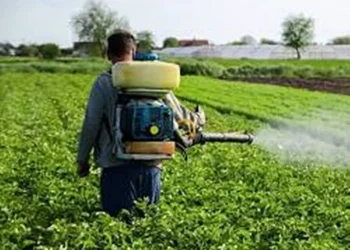
The only way to prevent the disease spreading and infecting livestock, they said, is by vaccinating livestock and controlling the vector, the mosquito, using products registered for the control of mosquitoes (usually dips, sprays and topical applications containing deltamethrin). An annual vaccination against the disease is the most effective and easiest route to follow.
According to the academics, Onderstepoort Biological Products (OBP) currently produces two RVF vaccines:
- Live RVF vaccine containing the live Smithburn strain. Although it is believed that this vaccine gives long-term protection, it is still recommended that all animals should be vaccinated annually. This vaccine should, however, not be used in pregnant animals as they could abort;
- OBP inactivated RVF vaccine, which needs annual vaccination and is safe to use in pregnant animals. However, it requires two initial doses six weeks apart, making it more expensive and labour intensive to administer.
Ideally, vaccination should have already been carried out in early spring, but it is not yet too late, said the professors Lebout and Mwanza – provided livestock and game farmers act immediately.