

Alex Rose-Innes
More than ever before, the effects of climate change on the African continent are reasons for urgent innovative interventions.
As rainfall patterns had been disrupted and farming negatively impacted, especially in sub-Saharan Africa, countries had been forced to import more food than it exported. The African Development Bank (AfDB) predicts that by 2025, the continent would import rice, beef, sugar and wheat, among other commodities, to an amount of USD 110 billion. Currently, the annual spend is already $110 billion.
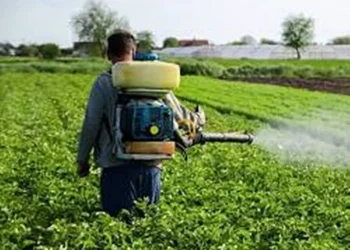
The agriculture industry needs to address constraints inhibiting renewable growth. At the top of the agenda should be solar irrigation and biogas technologies. Solar powered irrigation would allow farmers to unlock existing resources to boost the resilience of their farms currently at the mercy of unpredictable weather patterns. Waiting for rain is not an option anymore, but 97% of African smallholder farmers on the continent still rely on it, leaving subsistence farming at the mercy of a changed natural order.

Natural climate disasters, driven by climate change, had placed the livelihoods of many sub-Saharans under pressure. Droughts, flooding and cyclones had left many Africans facing food shortages. In 2019, Mozambique, Malawi and Zimbabwe had been struck by devastating cyclones.
With various high-tech innovations already available on the continent, the developing world should ensure poorer nations are provided with tools, expertise and affordable technology to reduce food losses, energy costs and access higher value markets.
Senior researcher with the South African-based Institute for Security Studies, Requier Wait, says the fusion of agriculture and solar power could boost sustainable development. Integrating solar power with agricultural practices could reduce the demand for wood energy while creating low carbon economies to counteract climate change.
With proper working policies in place, renewable energy and other green innovations have the capacity to eradicate poverty, ensure food security and providing smallholder farmers with the ability to produce enough food for local and international markets and as would also support a green ecosystem of doing business.