
Alex Rose-Innes
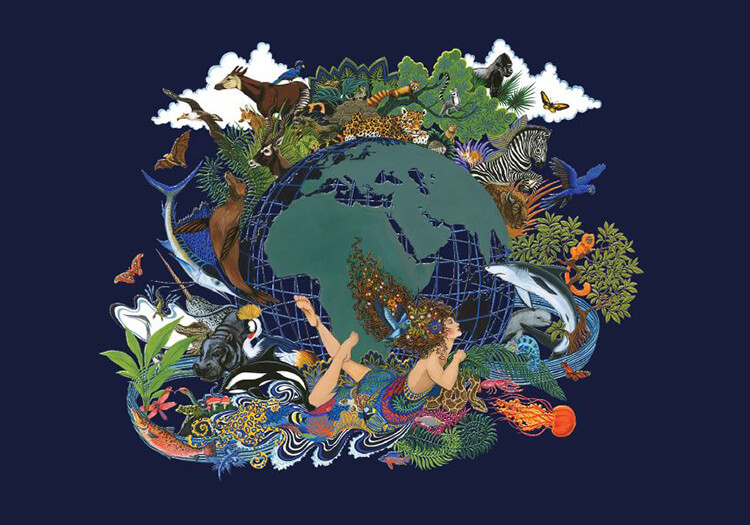
During the last century, climate change had hugely and negatively impacted biodiversity in Africa and was expected to increase.
In various scientific published papers and reviews published and cited by renowned global experts, not only is Africa’s fauna in danger of climate change, but serious outcomes for the continent’s wildlife had also been predicted.
Calling for accelerated programmes to combat the damage noticed across all levels of biodiversity, experts are of the opinion that the African continent was at a “tipping point,” which would lead to permanent alteration irreversible shifts of its ecological systems.
The Intergovernmental Panel on Climate Change (IPCC) predicts that temperatures are expected to rise by 1.1–6.4ºC by the end of the twenty-first century with increase in precipitation, rendering the African continent more in danger of adverse weather patterns. In addition, extreme weather patterns were predicted to increase in the frequency and intensity.
With the African continent home to an estimated one-fifth of all known mammal species, birds and plants, the rich biodiversity could die out with the destruction of biologically important ecosystems such as savannahs, tropical forests, coral reef, marine and freshwater habitats, wetlands and montane ecosystems. As these provide many benefits to poor African communities, the impact on humans is also regarded as a growing threat.
Climate change is both a cause and an effect of biodiversity and ecosystem change in Africa, along with anthropogenic stressors, the multiple components of climate change are considered to be the main drivers of biodiversity at all levels. The capacity of ecosystems to provide climate regulation service depends on the diversity of species it supports, the way in which biological resources are converted into useful goods and service, and especially of the way in which grasslands and forests are converted into croplands
Never before had the mitigation of climate change, managing of carbon sequestration and greenhouse gas emission, been more important in order to ensure proper management of biodiversity for ecosystem resilience to adapt to climate change as the health of an entire continent is at risk, which in turn, would lead to global repercussions.