
Alex Rose-Innes
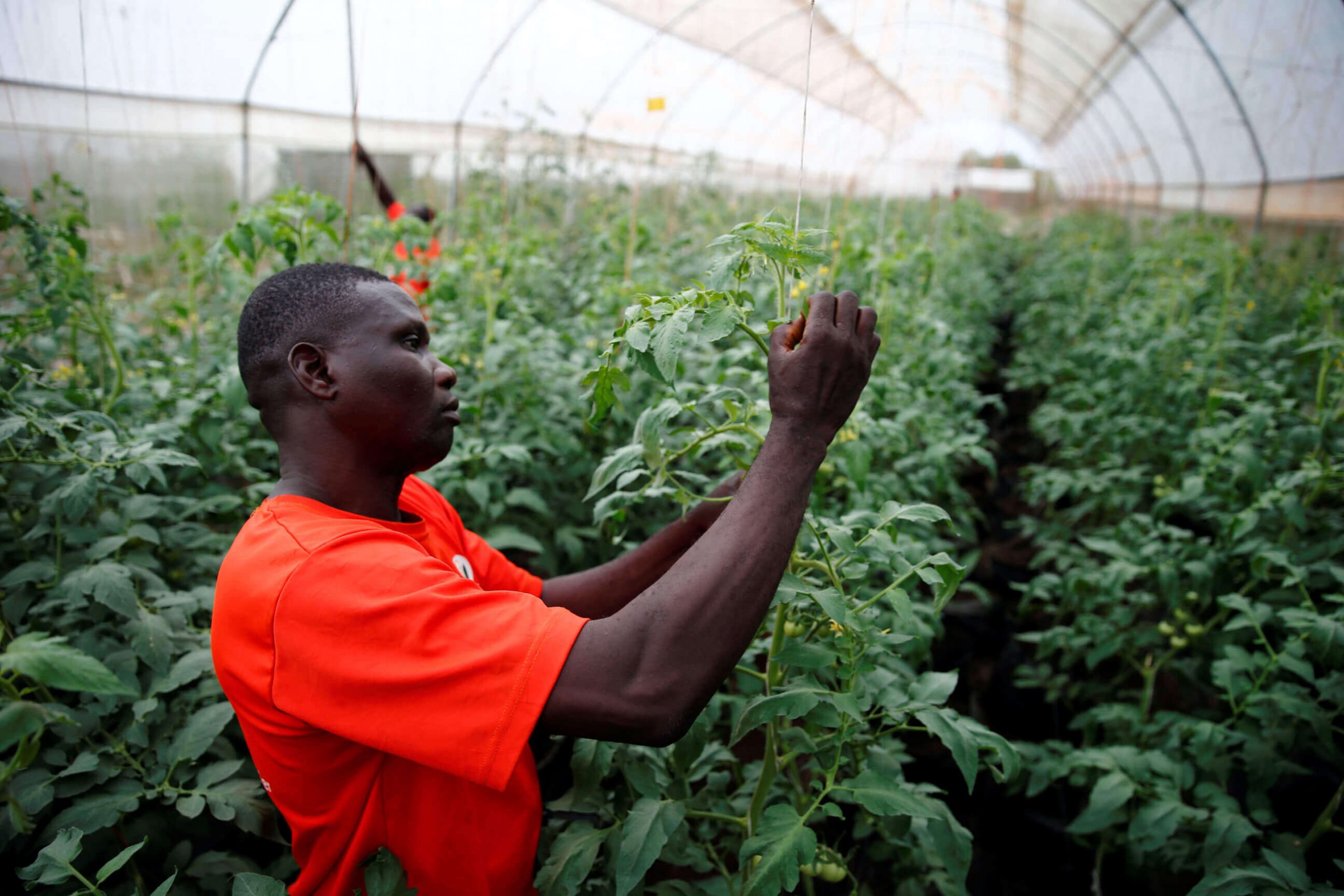
Trends in the African agri-food industry had over the years become known for limited abilities; limited education, limited innovation and limited financial and social opportunities.
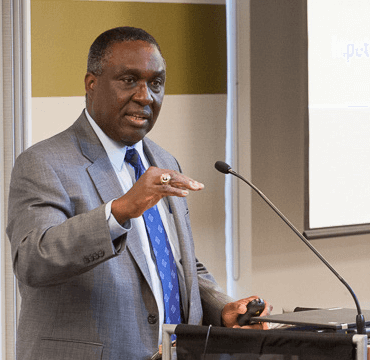
Simeon Ehui, the World Bank’s Regional Director for Sustainable Development for Africa, said that for too long the continent had been producing too little food for its growing population and that despite investment, value-added products were still in short supply.
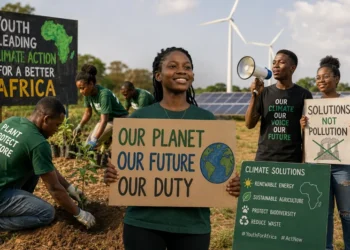
With climate change impacting the Planet, the hot Sahel (Mauritania, Mali, Niger, Burkina Faso and Chad), the Great Lakes region (Burundi, Rwanda, north-eastern D.R. Congo, Uganda and north-western Kenya and Tanzania) and the Horn of Africa (Djibouti, Eritrea, Ethiopia, Kenya, Somalia, Sudan, South Sudan and Uganda) are facing huge challenges. However, at the same time, said Ehui, evidence of transformation across the agricultural industry is noted with commercially-oriented African farmers and increased investment in agri value chains.
On his blog, Ehui, shared some of the successful innovations. One of these is The West African Agricultural Productivity Programme (WAAPP) is, with its specialised research into especially maize and aquaculture, introducing an improved seed drive that would see improved crop varieties. WAAPP is building a sustainable and nutritious food system in Nigeria targets youth employment.
WAAPP had been launched in 13 countries and nine million beneficiaries on almost five million hectares had, with the assistance of 200 improved technologies, not only scaled up production, but also increased their individual incomes by up to 30%. As many as 1 000 young scientists from the region were awarded scholarships for master’s and PhD degrees which would benefit the industry in the future as they return to their respective countries to share their knowledge with their communities.
A productive alliance between smallholder farmers had connected them with buyers from the public sector and the innovation which drove these successes had been rolled out across many other countries across the world. On the African continent it also up scaled the livelihoods of families in Sierra Leone and Mali.
The World Bank (WB) had been increasing its support for climate smart agriculture and is working with The Consultative Group on International Agricultural Research (CGIAR), to develop climate-smart profiles for countries such as Kenya, Rwanda and Uganda, raising agricultural productivity, improving resilience and reducing greenhouse gas emission. The WB is also involved in drawing up investment plans which are focused on climate risks, account for greenhouse gas impacts and regularly reviewed for opportunities to incorporate climate-smart actions.
“Finally, no one can do it alone. Partnerships, particularly with CGIAR, coalitions such as that with the Community Supported Agriculture Alliance (CSA) and private sector actors, were critical in all cases. We also realised that programmes and innovations are not a one-size-fits-all, but every country, region and industry needed a personalised approach,” Ehui said.