
The Council for Scientific and Industrial Research (CSIR) is living up to one of its objectives of becoming a leader in conducting scientific and technological research projects that are geared to assist the country to achieve some of its key socio-economic priorities.
One of its overarching mandates is to develop local skills and research capacity with a view to creating opportunities for the number of the unemployed youth in the country. This means investing in technology that can be scaled up and can be widely applied in a range of critical science fields such as engineering, meteorology, biotechnology, astronomy, astrophysics and materials science.

Novel green technology
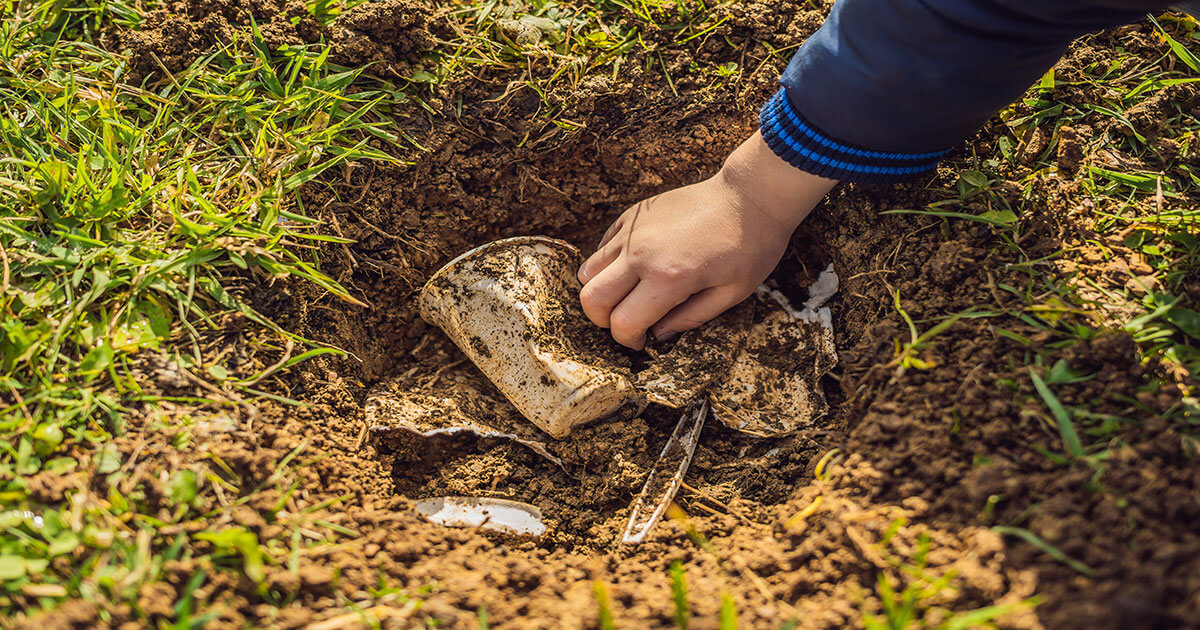
The research outfit has recently developed a novel technology that is capable of producing 100% biodegradable and easy to disintegrate plastic material. Called bioplastic, the technology enables single-use plastic products to breakdown easily within 180 days when they are disposed of at landfills. When combined with organic waste, bioplastic products can turn into compost within 90 days, leaving no toxic residues.

Explaining the technology further, CSIR senior researcher Dr Sudhakar Muniyasamy said: “Our bioplastic technology is based on the use of biopolymers and agricultural waste by-products such as starch, cellulose and glycerol. Through smart use of additives, we have created unique formulations to modify the properties through a melt-processing technique. This has resulted in pellets which can be blown into films for carrier bags, kitchen waste bags, mulch films and packaging films, as well as rigid cutlery products.”
Increase in demand for plastic use
According to the data from The Two Oceans Aquarium, one of the entities involved in raising awareness about plastic pollution, there are as many as 51 trillion pieces of microplastic. It says the situation is likely to get worse given the dramatic increase for plastic with more than 300 million tonnes of plastic being produced globally annually. Furthermore, only 14% of plastic produced is recycled while the remaining 86% end up either in the ocean, environment or landfills.
“What we see floating at the surface is just 5% of the plastic pollution in the ocean – the other 95% lurks below the surface, according to Ocean Conservancy. This plastic will remain in the ocean for hundreds, or thousands of years. It does not rot, it does not go away,” the aquarium warned.

Plant-based materials
According to Muniyasamy, bioplastics are a relatively new field within the South African plastics industry. As a result, landfills overflow with plastic bags and products from the household waste removal process. The CSIR’s bioplastic is made from plant-based materials to ensure that the disposed plastic waste in landfills is transformed from the biobased polymer into organic fertiliser. The development is a significant milestone for the CSIR in working towards environmental sustainability and a green economy for South Africa.
Green packing methods
The technology can help those players in the agricultural, medical and hospitality industries who are looking for green methods of packaging. In this market, approximately 90% of packaging products are typically produced from petroleum-based chemicals which are often disposed of in natural environments after single or short-term use.
Added Muniyasamy: “Our technology has been validated at an industrial manufacturing facility, and the pilot scale-testing for the production of the pellets and industrial-scale conversion process has been done for a specific product line.”
As part of the commercialisation process, said Muniyasamy, the CSIR is now working towards licensing the technology.