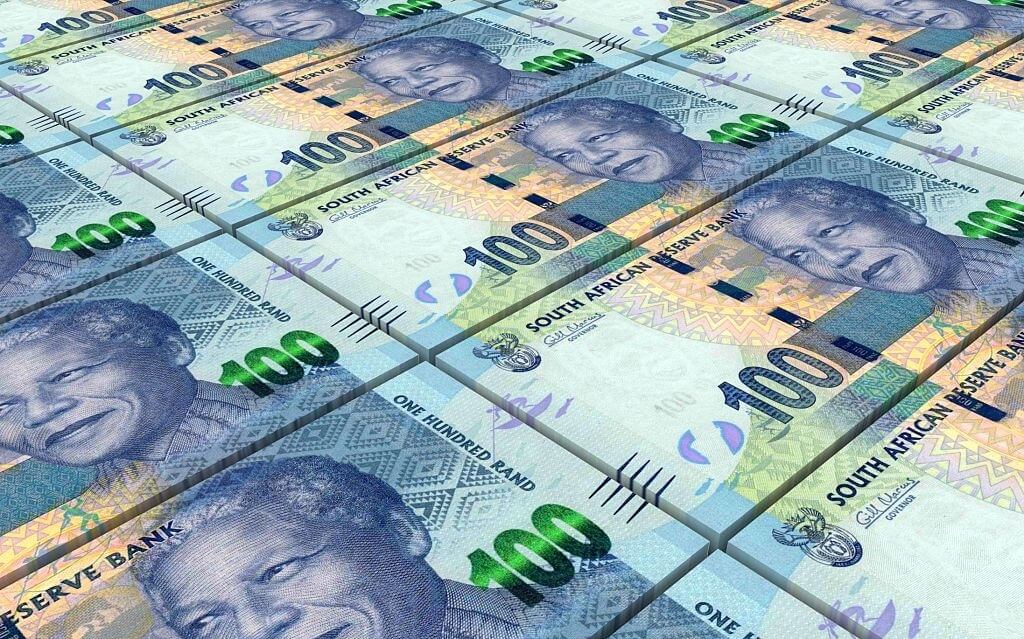

South Africa, like most countries in the world, is trying to revive its economy ravaged by the Covid-19 pandemic through a master plan called ‘economic reconstruction and recovery plan’.
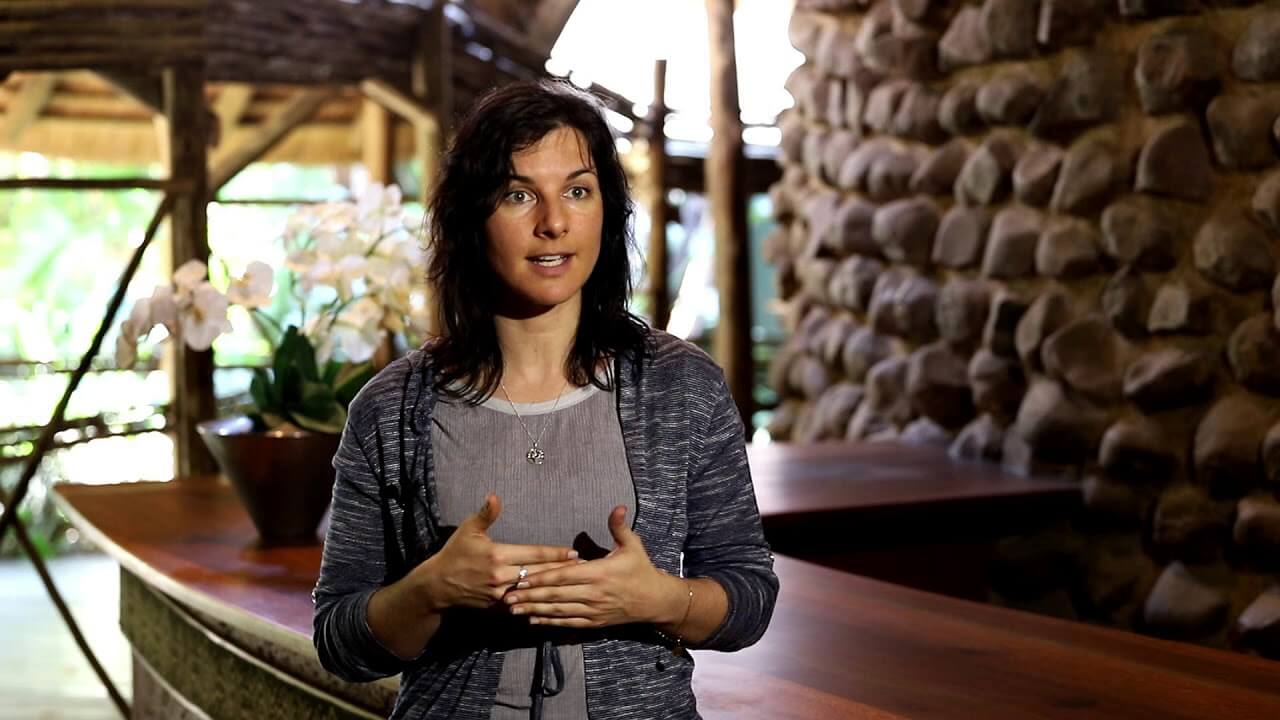
Janavi da Silva, director of programmes at GreenMatter, says that government must ensure that green economy is at the heart of its recovery plans – a strategic investment area as the world transitions to green energy sources to mitigate climate change challenges. GreenMatter is an initiative that drives transformation in graduate level skills for biodiversity.
Da Silva says sustainable economic recovery cannot be achieved by simply returning to economic activity in the pre-Covid-19 sense. “Not only will this leave South Africa vulnerable to economic collapse in the event of future unforeseen disruptions (like pandemics), but it also does not serve the environmental goals of the country or the world at large,” she says.
Worsening environmental and social challenges
Da Silva says even before the Covid-19, the world was faced with other major challenges such as:
- climate change
- biodiversity loss
- waste management as well as air and
- water pollution.
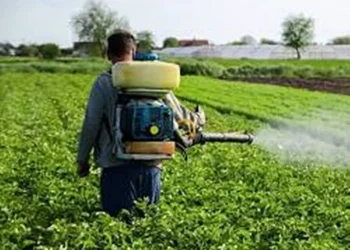
Da Silva says these challenges are a direct outcome of commercial activity such as the manufacturing of goods made from non-recyclable materials, resource inefficiency. Also included is lack of strict policing on the disposal of harmful chemicals used in the production of some of the world’s most in-demand goods and services are also, she adds.
Da Silva says the pandemic have exacerbated these problems, adding that even though carbon emissions and water quality improved slightly in 2020 because people were confined to their homes due to lockdown rules and there were fewer cars on the road, the pandemic has brought with its own challenges. One of these is the medical waste in the form of discarded PPE gear which has become an additional environmental challenge. Job losses have also worsened as a result of the Covid-19 pandemic reaching a record high of 34.4% in the second quarter of 202 – an increase from 32.6% in the first quarter, observes da Silva.
Creating more jobs through green economy
She reckons that if the South African government can develop green economy with targeted environmental policies put in place, this will unlock more investment opportunities from private and public entities. These could be channelled into environmentally responsible economic activities, infrastructure and assets, says da Silva.
She says this will in turn reduce carbon emissions, promotes resource efficiency and prevents biodiversity loss while also pursuing economic growth that does lead to environmental degradation. Da Silva says green economy will also lead to more job opportunities through the creation of green jobs.
“Contrary to popular belief, these are not careers reserved for people who are considered activists or ‘eco-warriors’, but those who will advocate for the environment in their specific capacities and professional contexts. This could range from graduates in natural science fields to, for example, a law graduate focusing on environmental concerns, says da Silva.
Nurturing talent for green careers
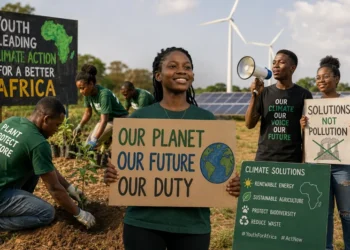
Creating an enabling environment for these graduates from all walks of life and learning backgrounds is an essential part of building the green economy, says da Silva. She says the country should nurture talent and prepare graduates across sectors to pursue sustainable, green careers because they are future custodians of the country’s natural heritage.
Says da Silva: “t is for this reason that initiatives like the GreenMatter Fellowship exist. The programmes such as this are designed to equip graduates of all disciplines with the skills they need to succeed in the workplace, to advocate for the environment and to help sustainably manage our natural resources for the benefit of all South Africans for generations to come.”
No easy recovery
Da Silva warns that the South African road to economic recovery from the impact of the Covid-9 pandemic would not be easy and that there is no way it would not perform the same way as before. And based on this, she argues, the country’s economic recovery plan should be “geared for sustainability and environmental conservation” to ensure it builds a thriving and resilient economy.
This article is based on the opinion piece by Janavi da Silva which first appeared in the Bizcommunity.