

Alex Rose-Innes
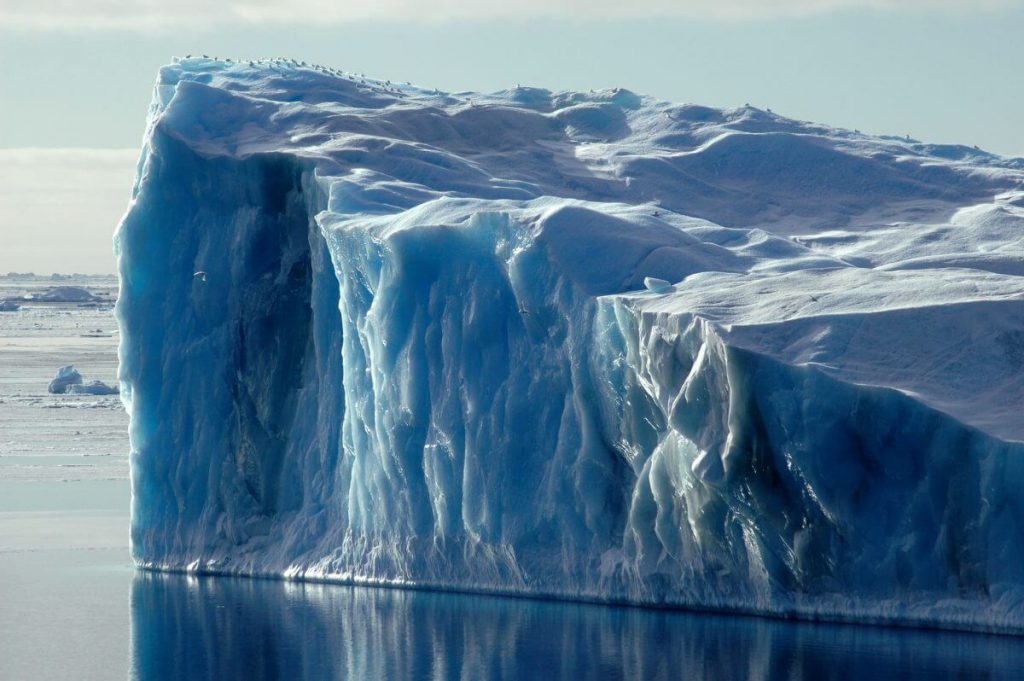
The urgency of addressing ice melt in the world’s Polar Regions was highlighted during the most recent European Scientific Symposium in Monaco.
The Cold is getting Hot
The official signing of the Polar Initiative Memorandum of Understanding underscored the nightmare effects of collapsing ice glaciers and breaking icebergs.

During a keynote address, HSH Prince Albert II of Monaco called for “less selfish interests and short-sighted economic calculations” to avoid irreversible damage to the planetary balance. His remarks were reiterated by top global scientists making it clear that the point of no return is fast approaching.
In-depth panel discussions focused on the unprecedented altering of geophysical and living features of the Polar Regions and the contributions of these changes to the global climate. It became clear that as never before, international collaboration such as scientific missions to these regions were needed to provide scientific data driving policy decisions and for monitoring transformations.
The high level sessions acknowledged the key role of polar/marine protected areas and ways of reducing economic exploitation, pollution, noise and other stressors. Polar changes would have a global impact as these areas are part of human history and culture with many secrets still to be discovered.
How Polar collapse will affect the Earth
While the global scientific community is in agreement that changes in the Polar Regions are amplifying global climate issues, the rest of the world may not be aware that it would see the disappearance of low-lying islands, terrestrial and ocean species, food webs and entire ecosystems with resulting social impacts.
Altered oceanic circulation of temperature, carbon and nutrients, due to the interconnectivity of the Arctic and Southern Oceans with other ocean basins, would also have a massive impact on the Planet.
How it will affect the African continent
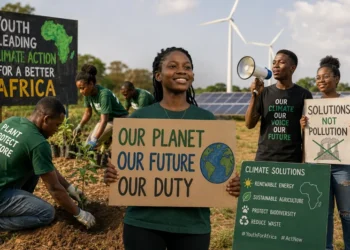
Climate change threatens the lives and livelihoods of over 100 million living in extreme poverty and global warming is expected to melt Africa’s remaining glaciers in the next few decades. The reduction in water would see decreased agricultural production and drive food insecurity, poverty and population displacement.
It is predicted that global warming would see sub-Saharan Africa’s gross domestic product (GDP) reduced by up to 3% by 2050. Poverty is one of the world’s worst problems and it is estimated that one in three Africans (over 400 million people) live below the global poverty line, living on less than $1.90 per day.
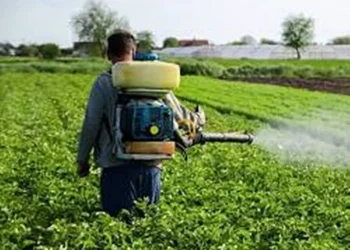
Agriculture is critical to Africa’s economic growth. Climate change could ruin local markets, increase food insecurity, limit economic growth and increased risk for agriculture sector investors. African agriculture is particularly vulnerable to the impacts of climate change because it is heavily dependent on rainfall and climate change has seriously affected rainfall throughout the continent. Especially the Sahel is largely dependent on rain-fed agriculture and it is already experiencing increased droughts and floods, both of which kill crops and reduce yield.
With temperatures expected to increase 1.5 times higher than the rest of the world by the end of the 21st century, African countries will see shorter wet spells (leading to droughts) or heavier rains (causing floods). This would lead to reduced food production due to lack of infrastructure and support systems present in wealthier nations. By 2030, crop yields across the continent are projected to decrease by varying amounts depending upon the region. Southern Africa, for example, is expected to experience a 20% decrease in rainfall.
Rural ills will increase urbanisation
Rural crises often lead to dislocation of populations to urban areas. The African continent has the world’s fastest rate of urbanisation. In 1960, only 20% of its populations lived in cities. By 2050, the number is projected to be 60%. Sub-Saharan Africa had an urban population of 472 million in 2018, which is expected to double by 2043.
Climate issues will only exacerbate urbanization and associated crises. In developing countries, relocation from rural to urban areas often leads to an improvement in living standards. This is seldom the case in Sub-Saharan Africa where more than 70% of Africa’s urban population live in slums. Living conditions in these areas continue to degrade due to lack of economic development in cities to match the rate of urbanisation, unemployment, poor access to services and xenophobic violence.
Finally, people fleeing from climate-affected rural areas would not be safe from climate change in urban areas which are vulnerable to flooding, affected by poor land use and choice of building materials, which trap heat and contribute to the urban heat island effect with it resultant extreme heat waves and health risks.