
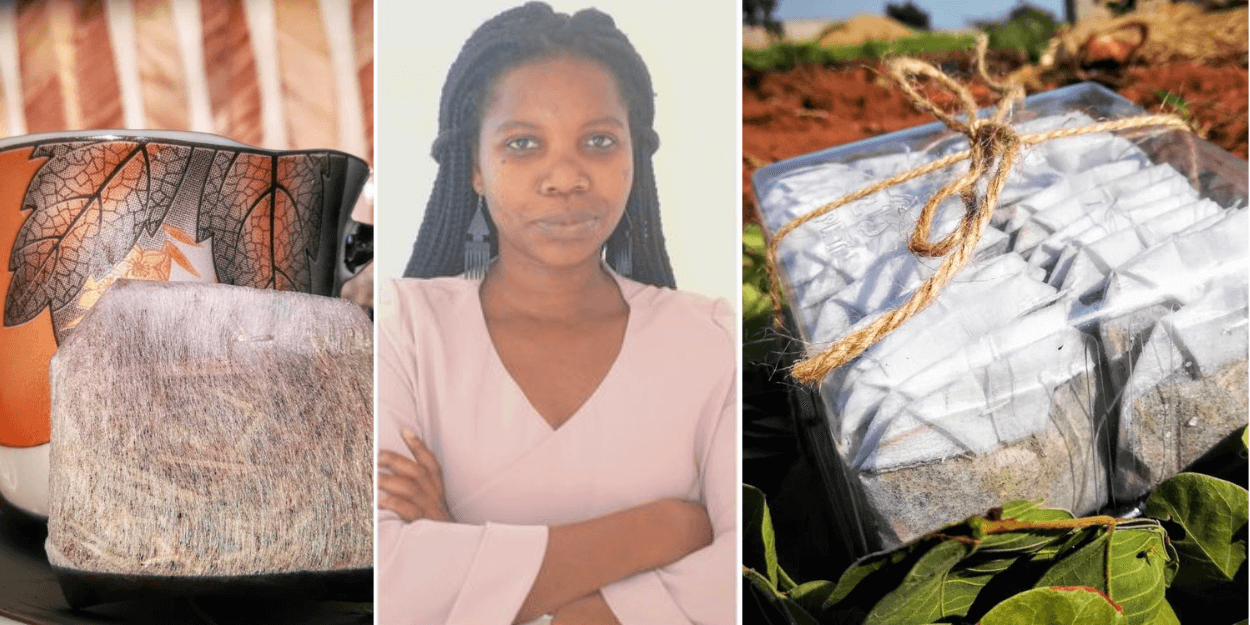
Teresa Kulei was among the millions of people across the globe who lost their jobs in 2020 following the outbreak of the coronavirus pandemic. But despite the hardships that she was exposed to, she lost initiative but she instead used this as an opportunity to explore other avenues to eke out a living. Armed with a degree in agronomy from the State University of Saint Petersburg in Russia, she ventured into agribusiness.
Highly recommended
She formed Nsinya Comercio e Servicos, Lda, based in her home country Mozambique, to process balacate tea and also sell sweet potatoes. Commonly known as lemongrass, the tea is uniquely fragranced and it is highly recommended for its richness in antioxidants, as well as helping reduce anxiety and controlling cholesterol.
Africa is the main tea producer
Tea industry is lucrative and Africa is considered home to thirteen tea producing countries making it the main supplier and an integral part of the global tea economy. In 2020, statistics put Kenya as the highest producer of tea in Africa and also ranks the third largest tea producer in the world. During the same year, it produced approximately 570 thousands of metric tons, which translated into about 70 percent of the continent’s tea output. It is followed by Uganda, Malawi, Rwanda, Tanzania and Zimbabwe, according to the industry observers.
Embracing new farming methods
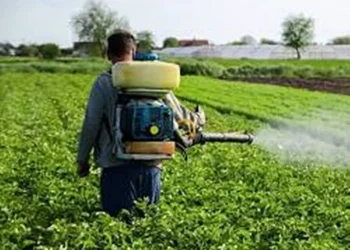
The cultivation of tea is considered to have negative impact on the environment and also affects soil fertility because of its heavy reliance on the use of pesticides and agro-chemicals on their crops. But Kulei belongs to a new generation of farmers who embrace the latest environmentally friendly and sustainable cultivation practices. Not only are they passionate about farming but they are also acutely aware of the need to promote awareness about the devastating impact of climate change on agriculture across the globe.
Learning about entrepreneurship
“I started the company due to lack of a job, I [must] confess that I went in the dark because I didn’t understand anything about business. But as time went by, I ended up liking it and became more informed about the world of entrepreneurship – and I’m still here today. Well, I turned a plant, Balacate, that was being neglected into a “Gold Mine,” says Kulei.
She says she has learnt to combine, to good effect, her love for tea and the spirit of entrepreneurship. Africa has high number of youthful population most of whom are highly skilled in various critical areas but lack the expertise on how to turn them into viable business ideas. And Kulei used to be part of this cohort of youths until circumstances forced her to pivot quickly to agribusiness. She says at first venturing into tea production was pretty much like a shot in the dark as she did not have an iota of knowledge about what entrepreneurship entails.
“At first I just wanted something to occupy and give myself a little money to keep me going. But as time went by, I started to like and believe in my business and, little by little, I discovered my potential for entrepreneurship,” says Kulei. She adds that this has been a tough journey particularly because she lacked financial resources.
Looking into the future
Kulei’s main and immediate plan is to build the capacity of her company to ensure it extend its services beyond Mozambique’s border. In her estimation it would take five years to achieve this objective, adding that in the process this will create more job opportunities particularly for the scores of the unemployed youth in the region.
Kulei says it gives her a rewarding feeling and absolute satisfaction to see the growing demand for her product and the positive feedback she receives from the public. She encourages more young people in Africa to take interest and get involved in the business of tea production given that it is one of several countries’ main export earners.