
(Image: ResearchGate)
Mussels Monitor Water Pollution
A professor at the University of the North West (NWU)’s has embarked on a project to find innovative ways to biologically monitor water pollution using artificial mussels. His work could not have come at a more opportune time given South Africa’s water crisis.
Collapsing wastewater treatment
The recent Blue Drop Audit Report, released by the Department of Water and Sanitation, painted a depressing picture about the quality of drinking water in the country. It found that the country’s potable water poses serious health risks to humans due to the high levels of bacteria and other pathogens in its water supply networks. In addition, it noted that 67.6% of all wastewater treatment works are about to collapse.
A Serious Environmental Threat

Professor (Prof) Victor Wepener, an expert in ecological risk assessment in the NWU’s Water Research Group of the Unit for Environmental Sciences and Management, believes that water pollution poses threat to human life and also has a huge negative impact on the environment. This is likely to be exacerbated by the worsening climate change, according to him. He said this calls for focused and creative approaches such as artificial mussels to avert future human health and environmental hazards. (Image: NWU)
Lab Created Mussels
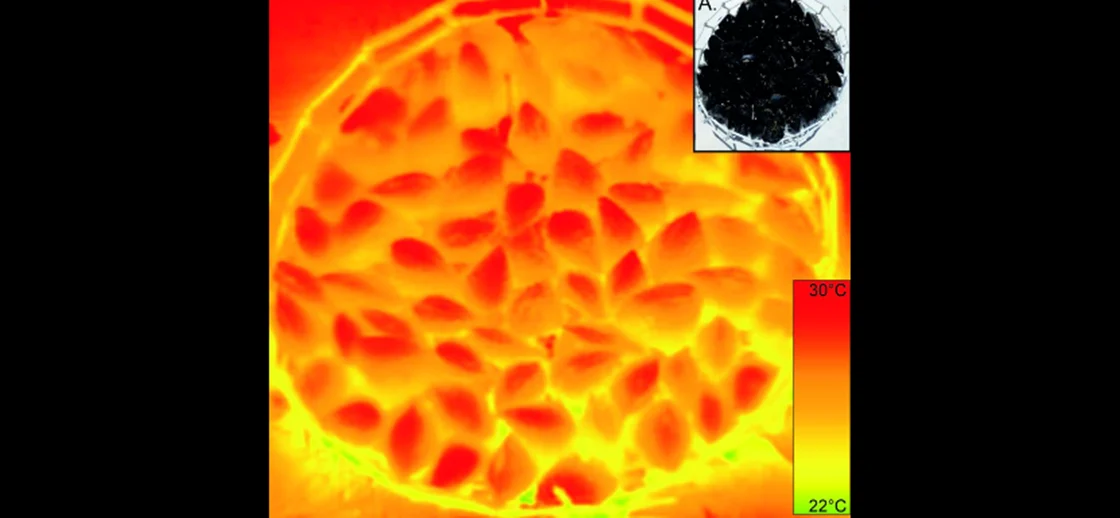
Artificial mussels can usurp pollutants and provide an indication of the levels of environmental exposure to these pollutants. “We have adapted the mussels to be used in different SA aquatic environments and have placed them in major harbours across the country and in Namibia,” he said. These are constructed in a laboratory and consist of a plastic tube containing small glass beads and a jelly-like substance. As the gel is permeable, it is easy for metal pollutants to move through it and bind to the glass beads.
He said the research team has validated the artificial mussels for use in freshwater environments, focusing on specific problematic metals such platinum. A major project was completed in the Rustenburg area where the artificial mussels were used to gauge the exposure of the aquatic environment to platinum. According to Prof Wepener, the manufactured mussel devices are placed in containers and put at a site about one metre below the water surface for a period of four to six weeks. They are then retrieved and returned to the laboratory.
Marine environments
In the laboratory, researchers analyse the glass beads for different damaging metals such as cadmium and mercury. This includes metals occurring naturally in marine environments, such as arsenic and manganese. It took the team three to four months to complete the project, from the manufacturing of the mussels to their deployment at the sites, the exposure period and laboratory analysis.
Maintaining Clean Water Sources
Prof Wepener highlighted the importance of raising awareness about the need to maintain clean water sources, especially in Africa where water pollution is fuelled by various challenges. The main sources of water contamination include industrialisation, agricultural practices and the limited enforcement of environmental regulations.
This research has put the NWU’s Water Research Group in an enviable position for contributing imaginative ways in which water can be better managed. With its artificial mussel’s project, the group van provides researchers and resource managers with a valuable and cost-effective tool that reduces the use of animals as biological indicators of metal pollution exposure.
Addressing UN’s Sustainable Development Goals
The research also addresses at least four of the United Nations’ Sustainable Development Goals:
- good health and well-being (Goal 3)
- clean water and sanitation (Goal 6)
- life below water (Goal 14) and
- climate action (Goal 13).