

Green Afrika

Green Africa Logo
The African Scientists Directory logo
Menu
  • News
  • Environment
    • Biodiversity & Conservation
    • Climate Change
    • Waste Management
    • Sustainability
  • Green Business & Innovation
  • Opinion & Analysis
  • Travel & Tourism
  • Special Report
Facebook Twitter Instagram Linkedin
Home Community
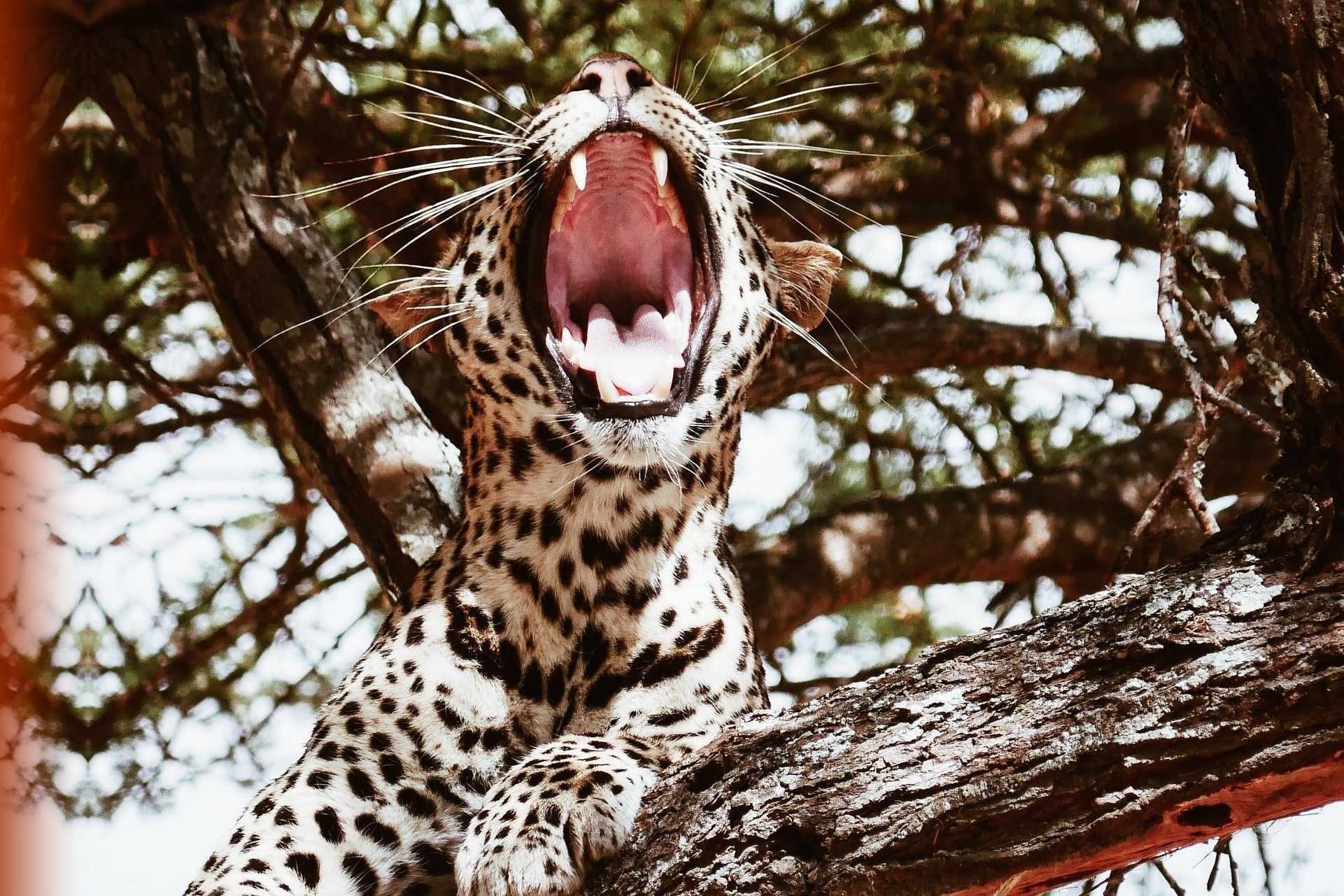
Image depicting human and wildlife conflict in Africa

Human-wildlife conflict in Africa

by greena
June 28, 2020
in Community, Education
A A

Human-wildlife conflict in Africa

WWF and FAO innovative programmes to address issue

Alex Rose-Innes

Human-wildlife conflicts (HWC) in Africa had historically resulted in loss of human life which is the most severe manifestation of the conflict according to World Wildlife Foundation (WWF). In Tanzania, where the highest occurrence of lion attacks had been reported at least 563 people were killed in 14 years.

The Food Agricultural Organisation (FAO) of the United Nations (UN) did a baseline survey in Binga, Zimbabwe, across 63 villages to understand the situation. According to a presentation at the recent 22nd African Forestry and Wildlife Commission’s conference, 95% of more than 800 interviewees had, in their live time, been affected by human-wildlife conflict, 44% of the livestock of these poor communities had been destroyed and 33% of subsistence crops were decimated. Only 17% said that fear drove them to kill wildlife.

Short- and long term interventions were identified,  such as strengthening coordination among villages, reducing poaching levels by half and ensuring proper management and training structures to reduce crop and livestock destruction.

The FAO dialogue regarding wildlife protection included Botswana, Cameroon, Cote D’Ivoire, the DRC, Ghana, Kenya, Senegal, Uganda, Tanzania, Zambia and Zimbabwe.

Current efforts to manage HWC, infectious diseases and design actionable steps to address country-specific priorities, were on the agenda of the multi-sectoral dialogue. It was established that lack of stand-alone policies and strategies addressing HWC​were the biggest problems in managing this unique African natural resource. Capacity shortcomings such as not enough people and lack of financial resources, technical capacity and knowledge pointed to the HWC not being properly addressed.

The dialogue also found that poor enforcement of wildlife laws, lack of monitoring and incident-reporting systems and coordination mechanisms adversely affected existing ad hoc programmes. More inclusive stakeholder platforms were also needed. Mostly, education and training of willing populations and communities should be undertaken as a priority.

Tags: Food Agricultural OrganisationHuman-wildlife conflictsWorld Wildlife Foundation

Related Posts

FINAL Conservation
Community

Community conservation across African Faro landscapes

February 7, 2025
Green energy
Education

SA’s Green Economy’s Major Skills Gap

November 11, 2024
Lapalala Wilderness School
Conservation

Lapalala Wilderness School Rhino Initiative

October 21, 2024
Next Post

Ugandan government to drive large scale avocado production benefiting local communities

image of illegal wood smuggling in Mozambique

Mozambique clamps down on illegal wood smuggling

Please login to join discussion

Recent News

crop spraying

Closing the Regulatory Rift: Global Pathways to Eliminate Highly Hazardous Pesticides

July 23, 2026
Conservation in Africa

Conservation in Africa: Protecting Our Natural Heritage

June 22, 2026
African youth caring for the environment

African Youth and Environmental Innovation

June 15, 2026
Section 63 in Action: Rand Water’s structural reset of Emfuleni’s wastewater system

Section 63 in Action: Rand Water’s structural reset of Emfuleni’s wastewater system

June 4, 2026

Categories

Subscribe To Our Weekly Newsletters

Green Africa Logo

Empowering Afrika through Change: Discover, Learn, and Act for a Sustainable Future

Facebook Twitter Instagram Linkedin

Categories

  • Environment
  • Green Business & Innovation
  • News
  • Opinion & Analysis
  • Special Report
  • Travel & Tourism

Discover

  • Biodiversity and Conservation
  • Climate Change
  • Innovation
  • Sustainability
  • Waste Management

More

  • About
  • Advertise
  • Contact
  • Newsletter

Subscribe to our weekly newsletter

Subscribe to our newsletter

© 2024 Greening Afrika: Powered by – Media Torque and Events. All rights reserved.

  • Privacy Policy
  • Terms & Conditions
  • Advertise with Us
imunify-bot-check



