Dr Inocent Moyo
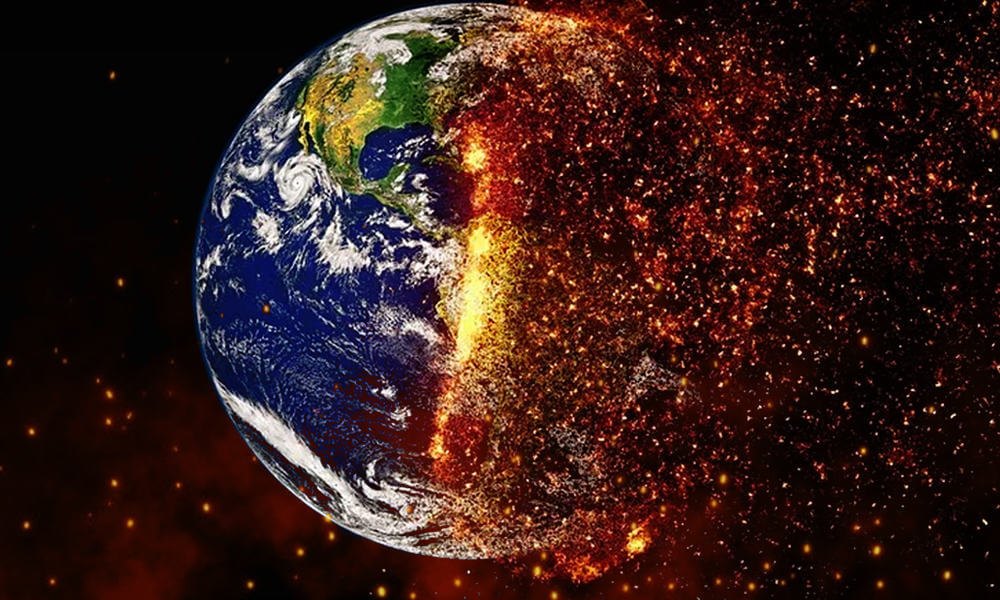
There is significant research that shows that environmental change leading to climate change is real and anthropogenic activities have played no less role in that transformation. This is one of the reasons why in 1972, the United Nations General Assembly chose the 5th of June as World Environment Day, to amplify the need for environmental awareness and by extension, double the effort towards the protection of the environment.

The international commitment to the protection of the environment can also be seen in the 1992 Earth Summit which resulted in the adoption of Agenda 21, which is a detailed programme of action towards the establishment of a global partnership for sustainable development, to improve the lives of people at the same time protecting the environment (United Nations, 1992). This led to the United Nations (UN) member states adopting the Millennium Declaration at the Millennium Summit in 2000. The Millennium Summit was the foundation for eight Millennium Development Goals (MDGs), whose focus was the reduction of extreme poverty by 2015 (United Nations, 2000).
Successive UN meetings on the post-2015 development plan finally led to the adoption of the 2030 Agenda for Sustainable Development, in 2015, in which 17 Sustainable Development Goals (SDGs) are central (United Nations, 2015). Several of these goals, such as SDGs, 11, 12, and 13 speak to the issue of environmental protection.
All this shows that environmental problems, such as air, land, and water pollution, among others, which confront the world today are a global issue which no one country can address. Therefore, as we celebrate World Environment Day in 2021 under the theme “Ecosystem Restoration”, this must be a time for deep reflection as a country, university, community, and indeed individuals on what can be done to contribute to efforts aimed at the restoration of ecosystems.
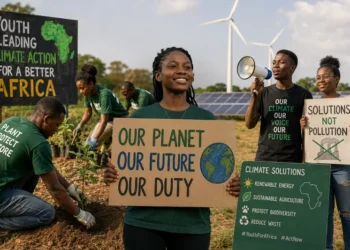
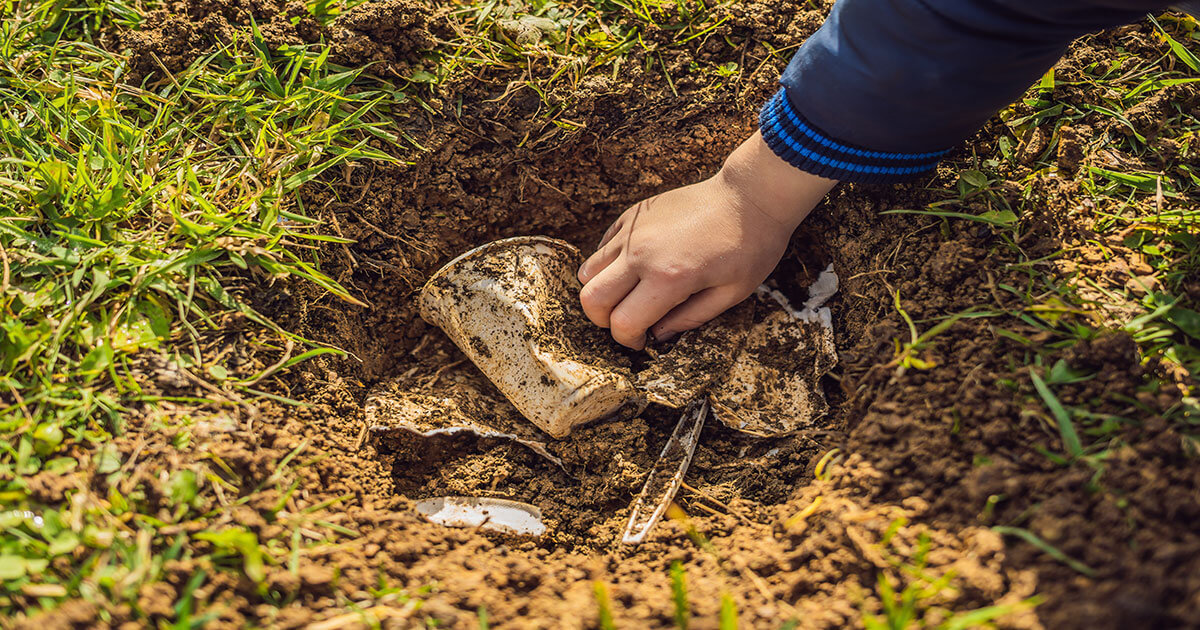
Indeed, the government has declared the whole of June as National Environment Month and this provides the platform to engage in activities that rehabilitate our degraded ecosystems. If the Chinese proverb that a journey of a thousand miles begins with a single step is true, which it is, then, we can as individuals engage in simple activities such as tree planting to restore our ecosystems.
Fortunately, at the University of Zululand, the Department of Geography and Environmental Studies partners with surrounding schools on education programmes that include restoring ecosystems. This should be expanded to the whole community so that all people understand what ecosystems are and why they should be either protected and/or restored. The point being made here is that, if the environment and indeed ecosystems are not protected and/or restored, environmental degradation will be the next pandemic, if it already isn’t.
If wearing a mask can reduce the spread of the COVID-19 virus and pandemic, then simple activities, like planting trees, cleaning our beaches/ending the act of littering on the beaches can also reduce the degradation of ecosystems and thus avert a pandemic predicated on environmental change. These are actions that every individual can and must do to contribute to the protection and/or restoration of ecosystems.
Dr Moyo is head of the Department of Geography and Environmental Studies at the Durban University Zululand. The views expressed in the article are those of the writers and not Torque Media.