

Dr Pholosho Kgopa, a senior lecturer in soil biology at the University of Limpopo (UL) is a highly decorated academic with three enviable degrees, all from UL. She completed degrees in:
- BSc ASgric Soil Science in 2007
- MSc Agric Soil science in 2013
- PhD Agriculture Soil Science in 2020
My current research focus is soil biology, soil health and water quality for irrigation and this entails:
- Assessments of effects of agricultural practices on soil biology and soil health, and the management thereof
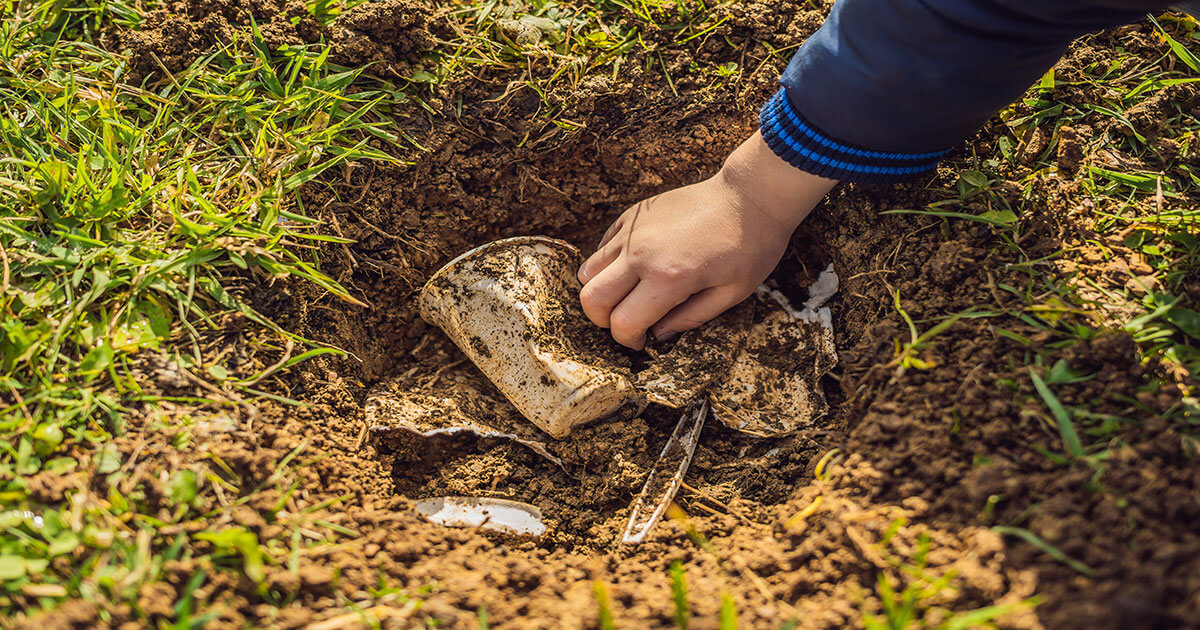
- The use of soil biology to remediate polluted agricultural soil
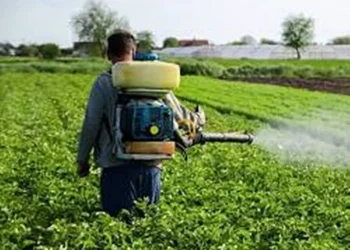
- Assessments of the effects of irrigation water quality on soil agricultural ecosystems, and the management related to that.
She says the research promotes the use of treated or purified wastewater -very critical considering that South Africa is one of the water scarce countries. Dr Kgopa says one way in which the country can avert a potential ‘Day Zero’ is through recycling the available water.

Correcting the negatives
But she hastens to add that treated wastewater has been reported to be unsafe due to a number of impurities, including pathogens and high levels of chemical constituents. What is required, therefore, is to find ways to correct the negatives so that the water can actually be used as a replacement for fresh water in agricultural activities, while the environment is kept safe.
Healthy soils results in healthy products
Dr Kgopa’s research interests also involve the maintenance of soil health particularly in agricultural soils of different management practices. This is based on the understanding that if the soil is well-nourished and healthy it is likely to produce quality and healthy products and this will lead to a safe and healthy consumer.
Why I studied at UL
She says the reason why she studied all her three degree from UL was simply for logistical and financial sense as it was closer to home. Upon completion of her undergraduate degree she took a break and looked for a job. “I learnt that UL had a lab technician vacancy and I was recruited for the post on the condition that I registered for a Master’s degree. I then decided to register with the same institution as it would make my life easier,” says Dr Kgopa
She majored in precision agriculture for her Master’s degree and after she finished it she got promoted to the post of a lecturer in soil science. But she realised “that for me to progress in academia, I needed a PhD,” recalls Dr Kgopa. In 2015 she registered for her PhD with UL and completed it 2020. Her studies were made possible courtesy of three funding sources:
- The NRF Thuthuka PhD Track
- Sabbatical Grants for Completion of Doctoral Degrees
- NRF Honours and Final-Year BTech Bursaries for three students under my supervision
Impacting lives of others
Of three f0unders, she is particularly grateful for the NRF Thuthuka grant mainly because it impacted her life and those of “two Master’s students whose research projects were linked to mine”, Dr Kgopa notes. She was also able to attend local and international conferences. Perhaps more importantly, she used the funding to “start a soil biology lab[oratory] at our university with equipment acquired using the Thuthuka grant funds”.
Setting good example
Dr Kgopa would like to set a good example to the youth especially young women who want to pursue science-related careers. “It is very important to set a good example to the youth that we work with on a daily basis, it is also important to set goals and work hard to achieve them without easily giving up. I always say “brighten the corner where you are”; if you work to your best abilities from your little corner, your contribution will definitely show and be appreciated,” says Dr Kgopa.
Perhaps this is why she is currently enrolled for a Postgraduate Diploma in Higher Education with the Durban University of Technology so that she can brighten her classroom.