Converting petrol taxis in SA will create jobs and decrease carbon footprint
Alex Rose-Innes
In recent years, the world has witnessed an alarming increase in carbon emissions, leading to devastating climate change effects. Decreasing carbon by promoting sustainable transportation alternatives is imperative as the transportation sector remains one of the largest contributors to greenhouse gas emissions.
The conversion of petrol taxis to electric or hybrid options is instrumental in significantly reducing South Africa’s (SA) carbon footprint. Electric vehicles produce zero tailpipe emissions, thereby eliminating direct contributions to air pollution. By transitioning a substantial portion of the taxi fleet, emissions associated with transportation can be greatly curtailed.
Minibus taxis are synonym with South Africa (SA). Some estimates say there are thought to be 250 000 operating across the country. Thinus Booysen, a researcher at Stellenbosch University, estimates that more than 70% of trips undertaken by the informal sector in SA are by minibus.
With so many cars on the road, there has been a shift to electric vehicles globally. This is in line with efforts to cut emissions. However, electric vehicles are expensive and most people cannot afford them, especially in Third World countries such as SA
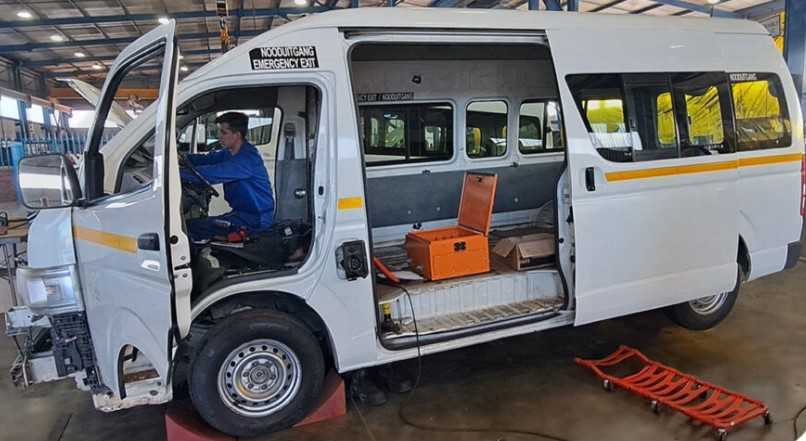
A research team at Stellenbosch University worked on a prototype to remove the minibus’ internal combustion engine and petrol tank, manual transmission, gas pipe and radiator and replaced this with the main components of the electric powertrain. These include an electric motor, inverter, charger, electronic control unit and a single-speed reduction gearbox.
Saving Costs and Generating Jobs
The team believes that if a minibus taxi is converted to electric, it would take a year to pay off in terms of savings in diesel and petrol versus electricity. The team also believes that the retrofit can be done for approximately R450 000 with the costs of importing an electric taxi amounting to R1.2 million, which can be even higher with the latest rise in import costs into SA.
The project also has the potential for employment, something desperately needed in the country.
Creating Jobs through Conversion
Converting petrol taxis to cleaner and greener alternatives presents a significant opportunity for job creation in SA, where, according to the latest figures, almost eight (8) million people are without jobs. This transition would require a skilled workforce for the manufacturing, installation and maintenance of electric or hybrid vehicles. Additionally, the establishment of charging infrastructure would further open job prospects in construction and specialised electric vehicle service industries.
To address the skill gap, it is essential to invest in training programmes to equip individuals with the necessary expertise to navigate the emerging electric vehicle market. By offering these training opportunities, SA can establish itself as a leader in sustainable transportation and attract investment from both domestic and international sources.
Decreasing Carbon Footprint
Moreover, a shift towards electric vehicles would promote the adoption of renewable energy sources. As authorities work to expand charging infrastructure, incorporating solar-powered charging stations can lead to a greener energy mix. This transition would not only reduce reliance on fossil fuels but also spur the growth of renewable energy industries, fostering economic development.
In conclusion, the conversion of petrol taxis in SA to electric or hybrid alternatives holds immense potential for job creation and reducing the carbon footprint. By embracing sustainable transportation solutions, the country can simultaneously address unemployment and combat climate change. It is pivotal for governments and industry stakeholders to collaborate in creating an enabling environment for the adoption of greener technologies. Through strategic investments, providing training opportunities, and promoting renewable energy integration, the country can lead the way in building a sustainable and prosperous future.
Directly Related Post

Minister Barbara Creecy publishes National Greenhouse Gas Inventory Report
South Africa’s key greenhouse gas (GHG) indicators show that there has been a gradual decline of about 0.8 percent net emissions between 2000 and 2020... read more.